
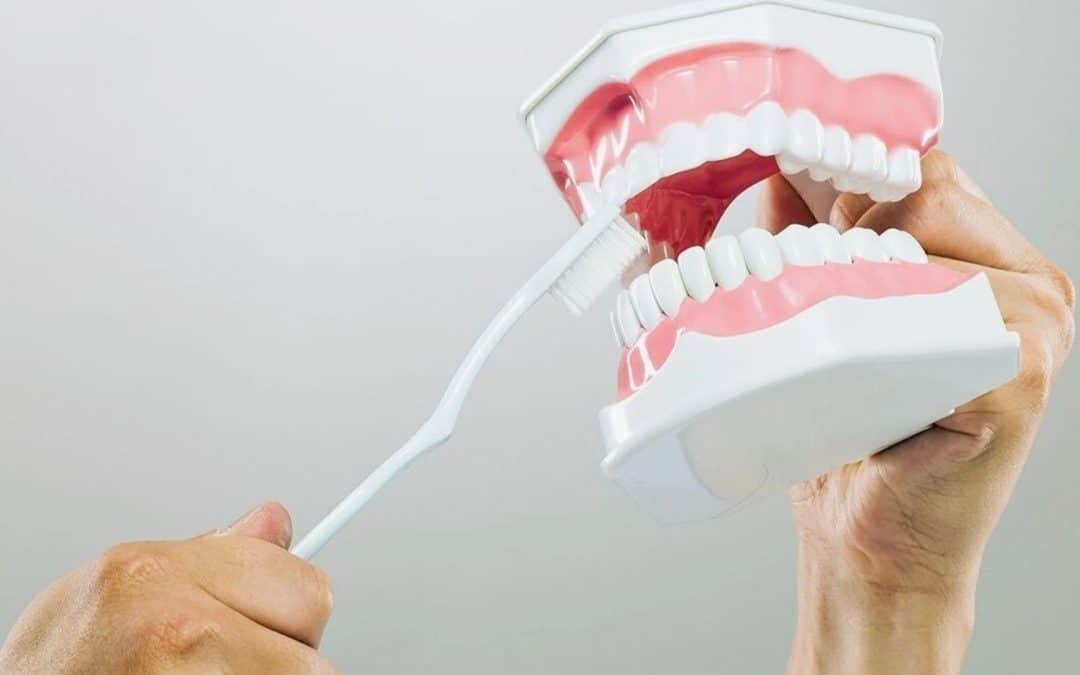
Maintaining good oral hygiene is about more than simply brushing your teeth twice a day. A systematic approach with the correct technique has a greater impact than the products involved to ensure effective and efficient removal of plaque .
Plaque is a sticky film of diverse bacteria that constantly forms on your teeth. If it is not removed regularly, it thickens, matures and firmly binds to the tooth surface. Plaque remains the main risk factor for tooth decay, gum inflammation and bad breath. Fortunately, a consistent oral hygiene routine can help prevent these problems.
1. Systematic approach to leave no tooth untouched!
The approach is simple, floss before brushing and focus on brushing 1 to 2 teeth at a time .
Start brushing from the gum line on the cheek side of the lower right back tooth. Continue along towards the front lower teeth , and proceed to the very last back tooth on the left side.
Once the cheek side is completed, begin with the tongue side of the lower back teeth from left to right. Pay attention to engage the gumline along the back teeth by relaxing your tongue.
Once the cheek and tongue surfaces have been cleaned, continue to brush the chewing surfaces of each tooth, once again from right to left side and 1 to 2 teeth at a time.
Once completed with the lower teeth , proceed to brush the upper teeth in the same pattern. Cheek , palate and biting surfaces from right to left.
When brushing , apply special attention to the gumline. The bristles of your toothbrush should be angled at 45-degrees towards the gum line. Gently sweep back and forth along the gum line then sweep the brush away from the gum line towards the top of the tooth.
2. Floss Before You Brush
Flossing is an essential part of good oral hygiene because a toothbrush cannot effectively reach every surface between your teeth.
Flossing helps remove plaque and trapped food particles from these spaces, where bacteria accumulate and contribute to gum disease and tooth decay.
For an effective routine, floss before brushing your teeth. This will help loosen plaque and debris between your teeth before you brush away the remaining plaque with your toothbrush.
How to floss correctly:
- Gently guide the floss between your teeth without snapping it against your gums.
- Curve the floss around each tooth in a C-shape.
- Once the floss engages the gumline, apply gentle pressure and sweep away from the gum towards the top of the tooth. Repeat this gentle up and down motion 3 to 5 times
- Use a clean section of floss for each space.
interdental brushes may be a suitable alternative, depending on the size of the spaces between your teeth and are more efficient to clear plaque and debris from the spaces between teeth
3. Consider Using an Electric Toothbrush
An electric toothbrush can be an excellent addition to your daily oral hygiene routine. Many models include built-in timers and pressure sensors, helping you brush for long enough without applying excessive pressure.
If you struggle with brushing your teeth or just want to improve efficiency, an electric brush is certainly a great investment .
Electric toothbrushes can also help remove plaque effectively, particularly when used with the correct technique.
However, owning an electric toothbrush does not automatically guarantee clean teeth. You still need to brush every surface systematically and consistently.
For the best results:
- Choose a toothbrush with soft bristles.
- Replace the brush head approximately every three months, or sooner if the bristles become worn.
- Let the brush do the work rather than scrubbing aggressively.
- Follow the manufacturer’s instructions for your particular toothbrush.
4. Brush at the Correct Angle
Brushing technique plays an important role in removing plaque, especially around the gumline.
When using a manual toothbrush, position the bristles at approximately a 45-degree angle towards the gumline. Use small, gentle circular movements rather than harsh horizontal scrubbing.
If you use an electric toothbrush, position the brush head against each tooth and move it slowly from tooth to tooth, following the manufacturer’s recommended technique.
Avoid brushing too aggressively. Applying excessive pressure can irritate your gums and contribute to tooth wear, particularly when combined with an abrasive toothpaste.
Remember to clean:
- The outer surfaces of your teeth.
- The inner surfaces, including behind your front teeth.
- The chewing surfaces of your back teeth.
- The gumline, where plaque commonly accumulates.
5. Brush for Two Minutes, Twice a Day
A quick brush is not enough to clean every tooth thoroughly. Dentists generally recommend brushing for two minutes, twice a day, using a fluoride toothpaste.
Divide your mouth into four sections and spend approximately 30 seconds on each. This makes it easier to give every area enough attention.
Pay particular attention to the inside surfaces of your lower and upper front teeth, as these areas can be easy to miss. For the inside surfaces of your front teeth, tilt your toothbrush vertically and use gentle up-and-down strokes with the front part of the brush.
After brushing, spit out the toothpaste rather than rinsing your mouth immediately with water. This helps leave fluoride on your teeth for continued protection.
6. Choose the Right Toothpaste
Fluoride toothpaste helps strengthen tooth enamel and protect against cavities. For most adults, a toothpaste containing around 1,350–1,500 ppm fluoride is appropriate.
If you experience tooth sensitivity, have a history of cavities or have specific dental concerns, your dentist can recommend a toothpaste suited to your needs.
It is also worth remembering that brushing harder does not mean brushing better. A soft-bristled toothbrush and gentle technique are generally preferable to aggressive brushing.
7. Make Oral Hygiene Part of Your Daily Routine
Good oral hygiene involves more than brushing alone. Flossing daily, limiting frequent sugary snacks and drinks, and attending regular dental check-ups all contribute to healthier teeth and gums.
Professional dental cleaning may also be necessary to remove hardened plaque, known as tartar, which cannot be removed with a toothbrush or floss alone.
If your gums bleed regularly when brushing or flossing, or you notice persistent bad breath, tooth sensitivity or gum swelling, arrange a dental appointment to identify the underlying cause.
Protect Your Smile with the Right Brushing Technique
A healthy smile starts with consistent habits. By brushing for two minutes twice a day, cleaning along the gumline, flossing daily and using the right tools, you can help reduce plaque build-up and support long-term oral health.
If you are unsure whether your brushing technique is effective, ask your dentist or oral hygienist to demonstrate the correct method for your teeth and gums.
Need advice on improving your oral hygiene routine? Book an appointment with your dentist or oral hygienist for personalised guidance and professional care.