
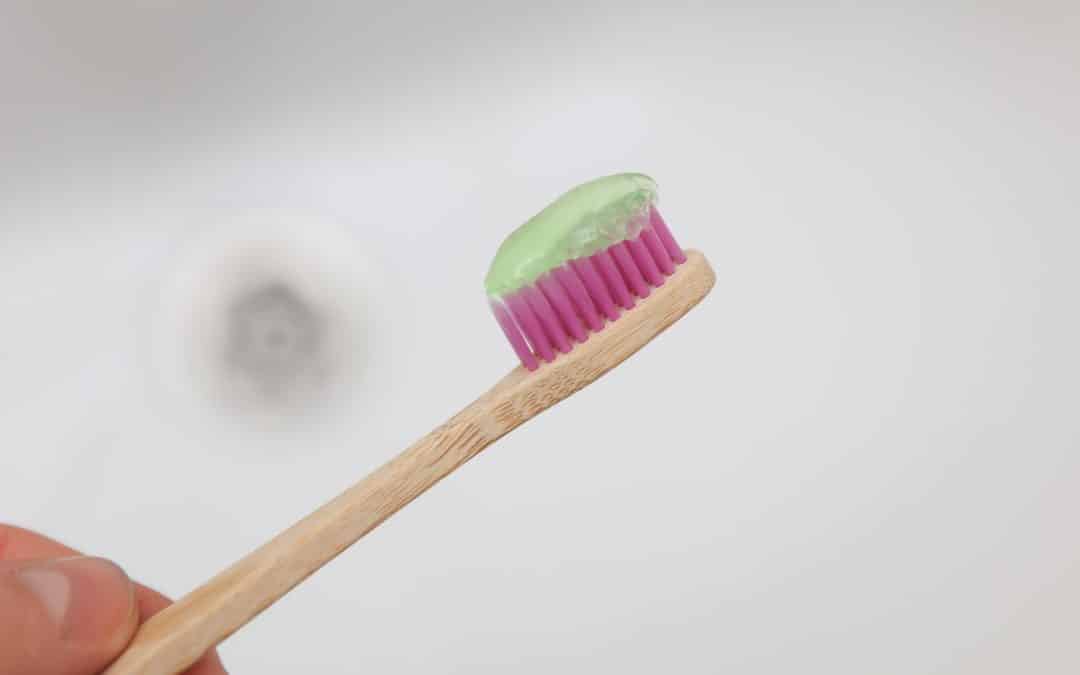
Does brushing your teeth harder make them cleaner? It’s a common misconception that more pressure means better plaque removal. However, brushing your teeth too hard can actually damage your enamel and gums.
When it comes to maintaining good oral health, the key is to brush smarter, not harder.
Does brushing harder remove more plaque?
Brushing your teeth twice a day is essential for removing plaque, food particles and bacteria from the surfaces of your teeth. However, applying excessive pressure does not necessarily remove more plaque.
In fact, brushing too hard can do more harm than good.
A soft-bristled toothbrush combined with the correct brushing technique is generally enough to effectively clean your teeth and along the gumline. Your toothbrush should do the work, rather than relying on force.
Can brushing too hard damage your enamel?
Yes. Aggressive tooth brushing can contribute to enamel wear over time.
Tooth enamel is the hard outer layer that protects your teeth. Although it is extremely strong, enamel can become worn when exposed to excessive mechanical brushing, particularly when combined with other factors such as acidic foods and drinks.
Unlike other tissues in the body, tooth enamel cannot repair or grow back once it has been permanently lost.
Enamel wear can make teeth appear more yellow as the underlying dentine becomes more visible and may also contribute to increased tooth sensitivity.
Can brushing too hard cause gum recession?
Brushing aggressively can also irritate and damage the gums. Over time, excessive brushing pressure may contribute to gum recession, where the gum tissue gradually pulls away from the tooth.
When this happens, more of the tooth root can become exposed. Because the root surface is not protected by enamel in the same way as the crown of the tooth, it can be more vulnerable to sensitivity and decay.
If you notice that your gums are receding, your teeth have become more sensitive, or your toothbrush bristles are becoming flattened and frayed quickly, it may be worth discussing your brushing technique with your dentist.
How should you brush your teeth?
The aim is to remove plaque effectively while being gentle on your teeth and gums.
For a healthy brushing routine:
- Use a soft-bristled toothbrush.
- Apply gentle, controlled pressure rather than scrubbing.
- Brush your teeth for two minutes, twice a day.
- Use small, gentle movements across the surfaces of your teeth. Focus on brushing 1 to 2 teeth at a time.
- Pay particular attention to the gumline, where plaque can accumulate. The brush should be at an angle of approximate 45 degrees toward the gum line.
- Brush the front, back and chewing surfaces of your teeth.
- Replace your toothbrush or toothbrush head when the bristles become worn or frayed. (3 months with average use)
If you use an electric toothbrush, you generally don’t need to apply additional pressure. Many electric toothbrushes also have pressure sensors that can alert you if you’re brushing too hard.
What happens if you brush your teeth too hard?
Over time, aggressive brushing can contribute to:
- Enamel wear
- Tooth sensitivity
- Gum irritation
- Gum recession
- Increased risk of root surface decay when roots become exposed
This is whyproper brushing technique is just as important as brushing regularly.
Brush smarter, not harder
When it comes to oral hygiene, more pressure does not mean a better clean. The goal is to remove plaque thoroughly without damaging the enamel or irritating the gums.
A gentle, consistent brushing technique, combined with regular dental check-ups and professional advice, is the best approach to maintaining healthy teeth and gums.
If you’re experiencing tooth sensitivity, gum recession, enamel wear or are unsure whether you’re brushing correctly, speak to your dentist. They can assess your teeth and gums and recommend the most appropriate brushing technique and oral hygiene products for you.
Looking after your teeth starts with the right technique.
Brush smarter, not harder.